Oligoscan is an innovative medical device
Physiological imbalance screening. Non-invasive, no blood test needed.
Learn moreOligoscan easy to use
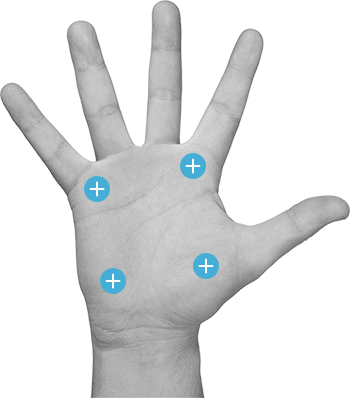
A quick evaluation of minerals and toxic metals in the palm of the hand.
Learn moreScreening of physiological imbalances helps better health control and trace minerals overall wellbeing.
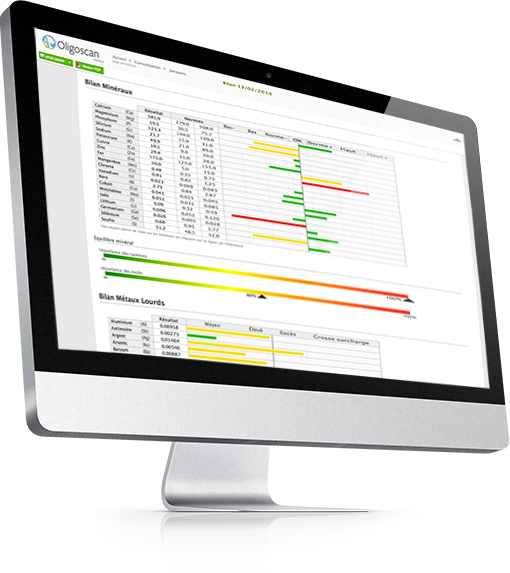
Excess and deficiency in minerals
A risk of toxic metals poisoning
Responsible for aging and numerous other diseases
Instant measurements of minerals, trace elements, oxidative stress and toxic metals.
Oligoscan can be used by all health specialists allowing for rapid and pain free analysis.
The measurement is taken directly by a portable spectrometer connected to a computer
The technology is based on spectroscopy
Evaluation of trace minerals reserves, the level of oxidative stress and toxic metals
Non-invasive measurement taken in situ
The record provided allows for detection of trace elements and minerals deficiencies as well as high rate of toxic metals in the body.
Oligoscan is now used by health professionals in many countries as a solution whenever a quick and accurate analysis of the level of trace elements, minerals and toxic metals is needed.
The Oligoscan uses optical technology : spectrophotometry.
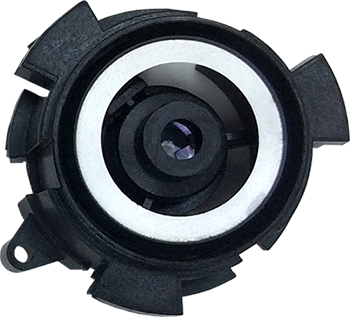
This is a quantitative analytical method of measuring the absorption or the optical density of a chemical.
It is based on the principle of absorption, transmission or reflection of light by the chemical compounds over a certain wavelength range.
Spectrophotometry is used in many areas : chemicals, pharmaceuticals, environment, food, biology, medical / clinical, industrial and others.
In the medical field, spectrophotometry is used to examine blood or tissue.
The Oligoscan is a reliable and scientifically proven tool..
A set of tests and comparative studies have been made by researchers highlighting a correlation between the results of the Oligoscan and those performed in the laboratory.
When the world looks at India, it often sees a land of vivid colors, intricate mehndi (henna), classical dance forms, and the graceful drape of a sari. While these are beautiful elements of our identity, to define the "Indian woman" by these symbols alone is like looking at a single pixel of a vast, dynamic mural.
Indian women’s fashion is a visual representation of the country's cultural synthesis. It changes drastically across states, yet maintains a distinct national identity.
The lifestyle and culture of Indian women represent a fascinating intersection of ancient traditions and rapid modernization. Today, India’s female population is not a monolith; it is a diverse tapestry shaped by geography, religion, education, and socioeconomic status. From corporate boardrooms in Bengaluru to agricultural fields in Uttar Pradesh, women are redefining what it means to be Indian in the 21st century. 1. The Cultural Blueprint: Values and Family Roles
This isn’t confusion; it is curation. She is cherry-picking the best of her past while fearlessly building her future.
Climbing to executive positions in major multinational corporations.
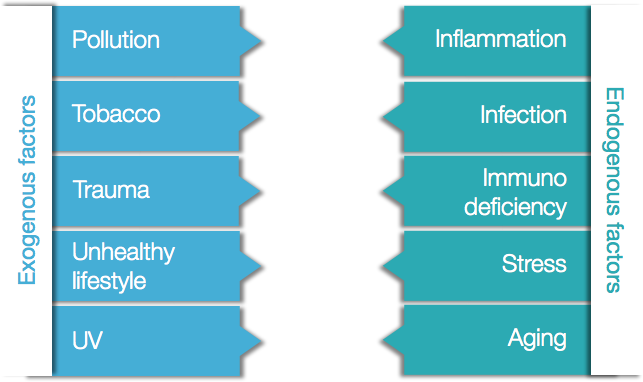
Free radicals are molecules produced in small amounts by the body. These free radicals are very reactive substances, capable of damaging the components of the cells (enzyme proteins, lipid membranes, DNA).
Their production is particularly stimulated by the exposure to sunlight (UV), tobacco, pollution, pesticides, etc.
A diet rich in antioxidants, particularly found in some fruits and vegetables, is essential in fighting free radicals.
Some scientific references :
When the world looks at India, it often sees a land of vivid colors, intricate mehndi (henna), classical dance forms, and the graceful drape of a sari. While these are beautiful elements of our identity, to define the "Indian woman" by these symbols alone is like looking at a single pixel of a vast, dynamic mural.
Indian women’s fashion is a visual representation of the country's cultural synthesis. It changes drastically across states, yet maintains a distinct national identity.
The lifestyle and culture of Indian women represent a fascinating intersection of ancient traditions and rapid modernization. Today, India’s female population is not a monolith; it is a diverse tapestry shaped by geography, religion, education, and socioeconomic status. From corporate boardrooms in Bengaluru to agricultural fields in Uttar Pradesh, women are redefining what it means to be Indian in the 21st century. 1. The Cultural Blueprint: Values and Family Roles
This isn’t confusion; it is curation. She is cherry-picking the best of her past while fearlessly building her future.
Climbing to executive positions in major multinational corporations.