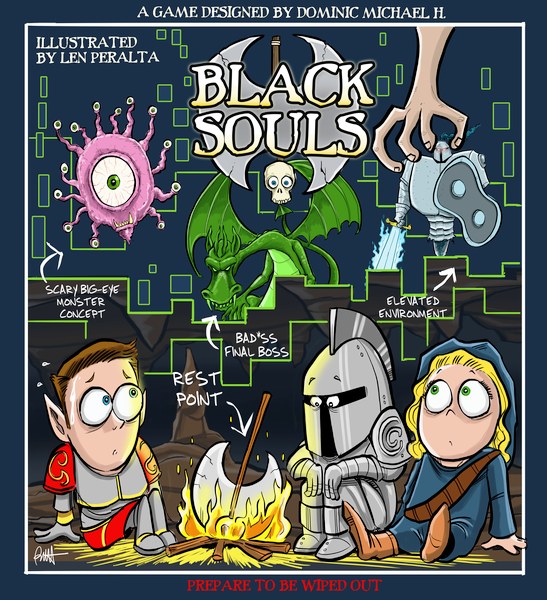
Download Black Souls for PC - Experience the dark fantasy RPG inspired by Dark Souls. Explore a rich story with multiple endings, unique character classes, and deep combat system
Downblouse Jgirl Water Park Slide Oops Hot ~upd~ | Voyeur Hidden Cam
The governance of user data by tech companies remains a fluid and often controversial legal landscape. Many smart camera manufacturers include clauses in their terms of service that permit them to share user footage under specific circumstances. A notable point of contention is the provision of video data to law enforcement agencies. In various instances, corporations have handed over residential camera footage to authorities during investigations without the explicit consent of the camera owner or a formal judicial warrant, citing emergency circumstances. This practices blurs the line between voluntary personal security and involuntary public surveillance. 4. Advanced AI and Biometric Data Collection
The Glass House: Balancing Protection and Privacy in the Age of Home Security Cameras
Protecting your privacy does not mean you have to tear down your security cameras. Instead, it requires implementing strict digital hygiene practices to harden your system against exploitation. Step 1: Secure Your Network Architecture
Legally, individuals have a "reasonable expectation of privacy" in certain areas. This includes the interiors of their homes, bathrooms, and fenced backyards. If a security camera captures a clear view into a neighbor's bedroom window or private backyard, the camera owner could face civil liability or criminal charges for voyeurism and surveillance intrusion. Public vs. Private Space
Downblouse Jgirl Water Park Slide Oops Hot ~upd~ | Voyeur Hidden Cam
The governance of user data by tech companies remains a fluid and often controversial legal landscape. Many smart camera manufacturers include clauses in their terms of service that permit them to share user footage under specific circumstances. A notable point of contention is the provision of video data to law enforcement agencies. In various instances, corporations have handed over residential camera footage to authorities during investigations without the explicit consent of the camera owner or a formal judicial warrant, citing emergency circumstances. This practices blurs the line between voluntary personal security and involuntary public surveillance. 4. Advanced AI and Biometric Data Collection
The Glass House: Balancing Protection and Privacy in the Age of Home Security Cameras
Protecting your privacy does not mean you have to tear down your security cameras. Instead, it requires implementing strict digital hygiene practices to harden your system against exploitation. Step 1: Secure Your Network Architecture
Legally, individuals have a "reasonable expectation of privacy" in certain areas. This includes the interiors of their homes, bathrooms, and fenced backyards. If a security camera captures a clear view into a neighbor's bedroom window or private backyard, the camera owner could face civil liability or criminal charges for voyeurism and surveillance intrusion. Public vs. Private Space