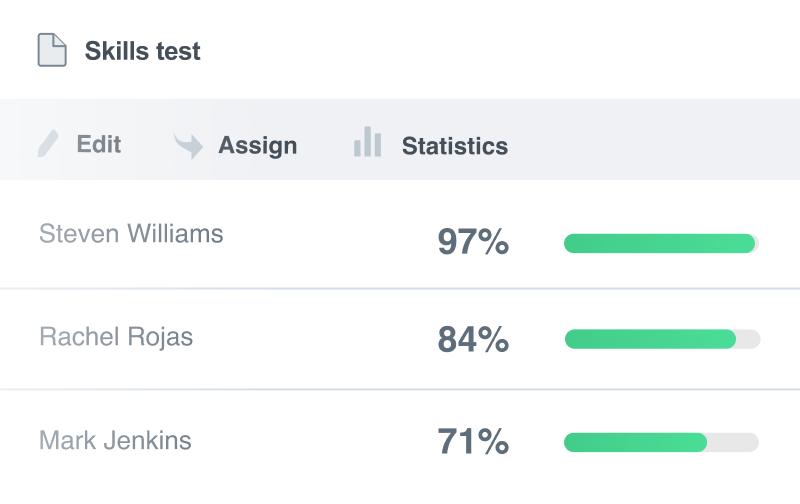
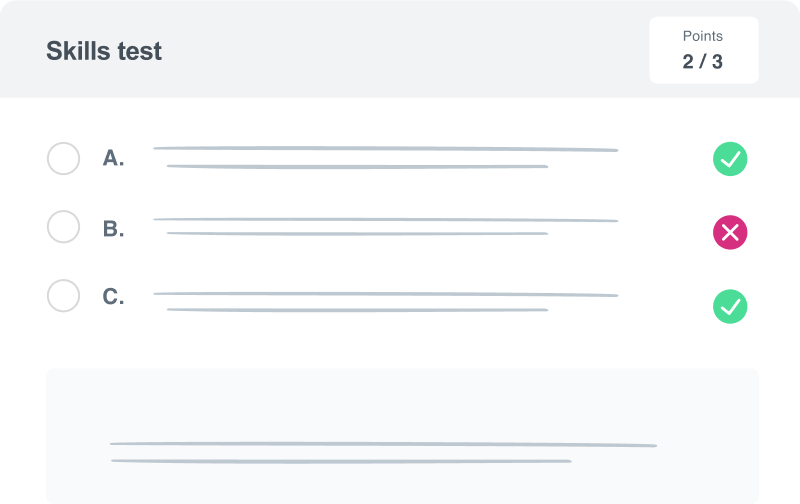
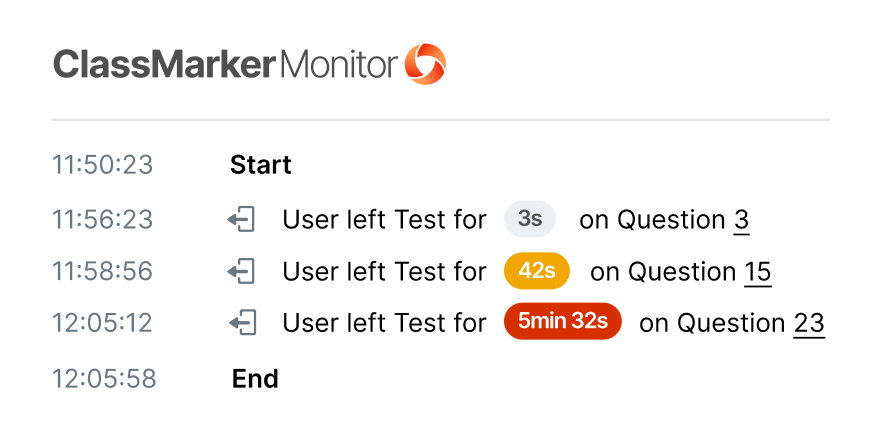
ClassMarker is a secure, professional, & easy-to-use Exam maker. Our customizable online testing solution is designed for business, training, and educational assessments, with tests graded instantly—Saving you hours of paperwork!
Register now8 steps to create online tests:
Create online exams effortlessly. Our short videos will teach you how to create and give online exams in minutes.
When giving online exams, your Test takers will love how simple it is to take exams with ClassMarker. Try demonstration exams.
While technically fostering/adoption, this film masterfully illustrates the challenges of building trust and love with children who have experienced trauma, highlighting the raw, non-linear process of becoming a family.
: Over the past decade, major adult platforms have shifted heavily toward situational, narrative-driven content. These scenarios rely on familiar, high-tension dynamics to establish a premise quickly.
Diversity and inclusivity have also played a major role in how these dynamics are framed. Contemporary cinema frequently depicts multi-ethnic and LGBTQ+ blended families, adding layers of cultural negotiation to the existing familial ones. These films address how traditions, languages, and values are integrated, moving the conversation beyond mere logistics to the deeper work of cultural synthesis.
In cinematic terms, a blended family narrative typically includes:
: Comedies like Blended (2014) and Daddy's Home (2015) use humor not just for entertainment but as a mechanism for "modern tribes" to bond through shared chaos.
While modern cinema has made significant strides in representing blended families, some films still rely on stereotypes and tropes. For example, the " evil stepparent" trope is a common cliché in blended family films. In Cinderella (2015) and Sleeping Beauty (2014), the stepmother is depicted as cruel and heartless, reinforcing negative stereotypes about stepparents.

While technically fostering/adoption, this film masterfully illustrates the challenges of building trust and love with children who have experienced trauma, highlighting the raw, non-linear process of becoming a family.
: Over the past decade, major adult platforms have shifted heavily toward situational, narrative-driven content. These scenarios rely on familiar, high-tension dynamics to establish a premise quickly.
Diversity and inclusivity have also played a major role in how these dynamics are framed. Contemporary cinema frequently depicts multi-ethnic and LGBTQ+ blended families, adding layers of cultural negotiation to the existing familial ones. These films address how traditions, languages, and values are integrated, moving the conversation beyond mere logistics to the deeper work of cultural synthesis.
In cinematic terms, a blended family narrative typically includes:
: Comedies like Blended (2014) and Daddy's Home (2015) use humor not just for entertainment but as a mechanism for "modern tribes" to bond through shared chaos.
While modern cinema has made significant strides in representing blended families, some films still rely on stereotypes and tropes. For example, the " evil stepparent" trope is a common cliché in blended family films. In Cinderella (2015) and Sleeping Beauty (2014), the stepmother is depicted as cruel and heartless, reinforcing negative stereotypes about stepparents.