Xevunleashed.22.06.09.my.new.studs.cut.cock.xxx...
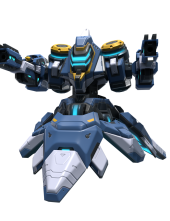
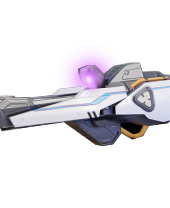
Start the game with a rare Mech, unique Pilot, cool Weapon or Skin and a bunch of useful in-game resources!
Complete the steps and grab the rewards! Expand
1
Select a Starter Pack
2
Select a Bonus Pack
3
Generate and copy the link
4
Sign up through the copied link and download the game
5
Enter the generated promo code
6
Collect your rewards
7
Enjoy the game!
Xevunleashed.22.06.09.my.new.studs.cut.cock.xxx...
To appreciate the current landscape, we must look back only fifty years. In the 1970s, "popular media" was a top-down broadcast model. Three major television networks (ABC, CBS, NBC) and a handful of newspapers decided what the public would watch, read, and discuss. Entertainment content was scarce, scheduled, and shared. If you missed the season finale of M A S H*, you simply never saw it—or you waited for a summer rerun.
: In a saturated marketplace, human attention has become the primary currency. Creators and platforms deploy sophisticated psychological triggers to maximize watch times, fundamentally altering consumer attention spans. 5. Future Horizons: AI, Web3, and Synthetic Media XevUnleashed.22.06.09.My.New.Studs.Cut.Cock.XXX...
The entertainment industry is a dynamic and rapidly evolving sector that has been transformed by technological advancements, shifting consumer preferences, and the emergence of new platforms. The rise of streaming services, social media, and online content has disrupted traditional models of entertainment consumption, creating new opportunities for creators, producers, and audiences alike. This paper explores the evolution of entertainment content and popular media, examining the key trends, challenges, and opportunities shaping the industry. To appreciate the current landscape, we must look
Yet, the landscape is fragmenting. The monoculture of the broadcast era, where 60 million people watched the same M A S H* finale, has given way to niche fandoms. Today, a hyper-specific Korean dating show, a Dungeons & Dragons actual-play podcast, or a 12-hour video essay on a forgotten 90s cartoon can command the same cultural gravity as a blockbuster film. This democratization is the great triumph and challenge of modern entertainment: everyone has a channel, but attention has become the scarcest resource. Entertainment content was scarce, scheduled, and shared
Platforms like YouTube, Instagram, and TikTok have turned passive consumers into active creators. User-generated content (UGC) now competes directly with Hollywood blockbusters for consumer attention. Short-form video algorithms prioritize high-engagement, hyper-relatable content, creating overnight viral sensations and shifting the balance of media power toward independent creators. Interactive Media and Gaming
To appreciate the current landscape, we must look back only fifty years. In the 1970s, "popular media" was a top-down broadcast model. Three major television networks (ABC, CBS, NBC) and a handful of newspapers decided what the public would watch, read, and discuss. Entertainment content was scarce, scheduled, and shared. If you missed the season finale of M A S H*, you simply never saw it—or you waited for a summer rerun.
: In a saturated marketplace, human attention has become the primary currency. Creators and platforms deploy sophisticated psychological triggers to maximize watch times, fundamentally altering consumer attention spans. 5. Future Horizons: AI, Web3, and Synthetic Media
The entertainment industry is a dynamic and rapidly evolving sector that has been transformed by technological advancements, shifting consumer preferences, and the emergence of new platforms. The rise of streaming services, social media, and online content has disrupted traditional models of entertainment consumption, creating new opportunities for creators, producers, and audiences alike. This paper explores the evolution of entertainment content and popular media, examining the key trends, challenges, and opportunities shaping the industry.
Yet, the landscape is fragmenting. The monoculture of the broadcast era, where 60 million people watched the same M A S H* finale, has given way to niche fandoms. Today, a hyper-specific Korean dating show, a Dungeons & Dragons actual-play podcast, or a 12-hour video essay on a forgotten 90s cartoon can command the same cultural gravity as a blockbuster film. This democratization is the great triumph and challenge of modern entertainment: everyone has a channel, but attention has become the scarcest resource.
Platforms like YouTube, Instagram, and TikTok have turned passive consumers into active creators. User-generated content (UGC) now competes directly with Hollywood blockbusters for consumer attention. Short-form video algorithms prioritize high-engagement, hyper-relatable content, creating overnight viral sensations and shifting the balance of media power toward independent creators. Interactive Media and Gaming