


The Evolution of Pinay High School Relationships and Romantic Storylines in Pop Culture
Traditionally, Filipino courtship, or ligawan , was a formal, multi-staged process involving the community and family. In the modern high school setting, this has transformed into a more casual but still structured phase known as porma or diskarte . The Evolution of Pinay High School Relationships and
Today, real-life Pinay high school relationships are curated on TikTok and Instagram. Romantic storylines are no longer just fictional; they are broadcasted live through "soft launches" (subtly posting a partner's hand or silhouette), matching school uniform transitions, and public promposal videos. This digital display has heightened the desire for cinematic, highly visual romance among real-world high schoolers. 4. Evolving Perspectives: Empowerment and Inclusivity Romantic storylines are no longer just fictional; they
"Ligaw-text" or "ligaw-chat" where the tension builds through digital banter. this digital layer also introduces challenges
: Education is deeply tied to family honor in the Philippines, making academic failure a major relationship dealbreaker.
A common trope in both real life and Pinay literature (like Wattpad stories) is the NBSB. Many Pinay students grow up in conservative households where dating is discouraged until after graduation. This creates a compelling romantic arc: the "secret relationship."
Digital platforms like have transformed how these stories unfold. A modern Pinay high school romance often begins with a "heart" react on a Story or a "soft launch" (posting a photo where the partner's face is hidden). However, this digital layer also introduces challenges, such as "ghosting" or the pressure to maintain a "relationship goals" aesthetic, adding a layer of complexity to the traditional high school experience. Conclusion
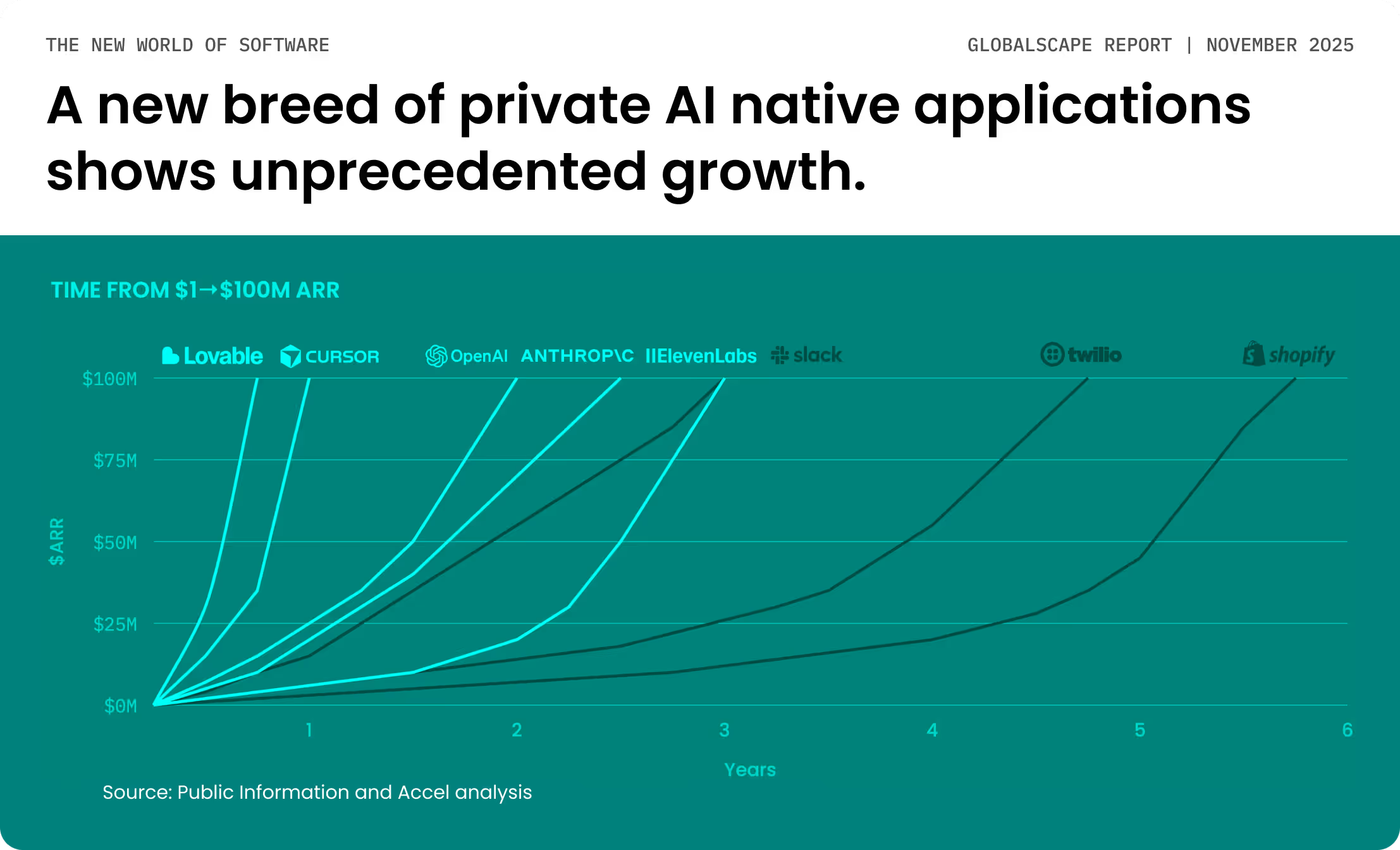
We are witnessing a tectonic shift, with AI accelerating innovation across the globe and unprecedented growth in AI native applications and enterprise agentic workflows. This shift will require an estimated $4 trillion investment in computing data centers over the next five years.

Report
Report
Report
Report
Report
Report
Report
Report